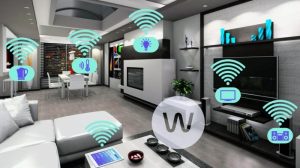
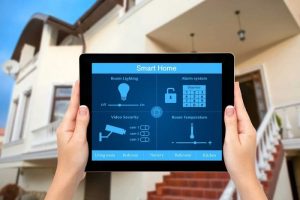
Step into the future with Smart home electronics 2025, where cutting-edge technologies blend seamlessly with everyday living. Get ready for an exciting journey ahead as we explore the upcoming trends and innovations in the world of smart home electronics.
From AI to IoT, this overview will shed light on how smart home devices are set to revolutionize our homes by 2025, offering unparalleled convenience and efficiency.
Smart Home Electronics 2025 Trends
In the year 2025, the landscape of smart home electronics is expected to be revolutionized by emerging technologies, such as AI, machine learning, and IoT. These advancements will not only enhance the convenience and efficiency of smart devices but also transform the way we interact with our homes on a daily basis.
Emerging Smart Home Electronics Technologies
- 5G Connectivity: The widespread adoption of 5G networks will enable faster and more reliable communication between smart devices, leading to seamless integration and improved performance.
- Voice Control: Voice assistants like Alexa and Google Assistant will become even more sophisticated, allowing users to control a wider range of smart devices with natural language commands.
- Augmented Reality: AR technology will enable virtual overlays in the home environment, providing interactive guides for DIY tasks or immersive entertainment experiences.
Impact of AI and Machine Learning
- Personalized Experiences: AI algorithms will learn user preferences over time, customizing settings for lighting, temperature, and security based on individual habits and patterns.
- Predictive Maintenance: Machine learning models will anticipate potential issues with smart devices, allowing for proactive maintenance and reducing the risk of malfunctions.
- Energy Efficiency: AI-powered systems will optimize energy consumption in the home, automatically adjusting settings to minimize waste and reduce utility costs.
Role of IoT in Shaping the Future
- Interconnected Ecosystems: IoT devices will form a cohesive network, enabling seamless communication and automation between various smart appliances and systems.
- Data Analytics: The vast amount of data collected by IoT sensors will be analyzed to provide valuable insights into user behavior, preferences, and trends, enhancing the overall smart home experience.
- Enhanced Security: IoT technology will bolster home security measures, with smart cameras, sensors, and alarms working together to detect and respond to potential threats in real-time.
Advancements in Smart Home Electronics

Smart home electronics have come a long way since their inception, and by 2025, we can expect to see even more impressive advancements in this technology. From enhanced connectivity to improved energy efficiency, the smart home of the future is set to revolutionize the way we interact with our living spaces.
Evolution of Smart Home Electronics
With the rapid pace of technological innovation, smart home devices have evolved significantly over the years. From basic voice assistants to integrated smart home ecosystems, the capabilities of these devices have expanded exponentially. By 2025, we can expect to see even more seamless integration between devices, creating a truly interconnected and intelligent home environment.
Comparison of Features
Currently, smart home devices offer functionalities such as remote control, voice commands, and automation. However, by 2025, we can anticipate features like predictive maintenance, personalized user experiences, and even greater levels of automation. These advancements will not only make our lives more convenient but also enhance the overall efficiency of our homes.
Energy Efficiency and Sustainability
One of the key focuses of smart home electronics in 2025 will be on energy efficiency and sustainability. With the increasing awareness of environmental issues, smart home devices will be designed to minimize energy consumption and reduce waste. Features like smart energy monitoring, renewable energy integration, and eco-friendly materials will be standard in the smart homes of the future, helping us create more sustainable living spaces.
User Interface and Experience
Smart home electronics have significantly evolved in terms of user interface and experience by 2025. The focus is on creating seamless interactions between users and their devices, making the overall experience more intuitive and convenient.
Voice Assistants in Smart Homes
Voice assistants play a crucial role in enhancing user experience in smart homes. By 2025, voice recognition technology has become more advanced, allowing users to control various devices and systems through voice commands. This hands-free approach not only simplifies tasks but also adds a level of convenience and accessibility for users.
- Voice assistants like Amazon Alexa, Google Assistant, and Apple Siri have become more integrated into smart home devices, allowing for a more cohesive and interconnected ecosystem.
- Users can now control lighting, temperature, security systems, and other appliances simply by speaking commands, making the overall user experience more streamlined and efficient.
- Voice assistants also provide personalized responses and recommendations based on user preferences, creating a more tailored and user-friendly experience in smart homes.
Cybersecurity in Smart Home Devices
Cybersecurity is of paramount importance in smart home devices, and by 2025, significant advancements have been made to address potential vulnerabilities and threats.
- Manufacturers have implemented robust security measures, such as encryption protocols and authentication processes, to protect user data and privacy from cyber attacks.
- Regular software updates and patches are now automatically deployed to ensure that devices are equipped with the latest security features and defenses against emerging threats.
- Users are also educated on best practices for securing their smart home devices, such as creating strong passwords, enabling two-factor authentication, and monitoring device activity for any suspicious behavior.
Impact on Daily Life
Smart home electronics in 2025 are set to revolutionize daily routines in numerous ways, offering convenience and efficiency like never before. From automated tasks to personalized experiences, these devices will deeply integrate into our lives, transforming the way we interact with our homes.
Time Management and Efficiency
Smart home electronics will streamline daily tasks, saving users valuable time and effort. For example, automated scheduling of appliances like coffee makers, washing machines, and thermostats will ensure that these devices operate precisely when needed, optimizing energy usage and minimizing wasted resources.
Enhanced Security and Safety
The advanced capabilities of smart home electronics will provide users with heightened security measures, such as real-time monitoring of home entrances, alarms, and surveillance systems. This increased vigilance will offer peace of mind to homeowners, especially when away from home, knowing that their property is well-protected.
Personalized Comfort and Convenience
Through intelligent sensors and machine learning algorithms, smart home devices will adapt to individual preferences, creating a personalized environment for each user. For instance, smart lighting systems will adjust brightness and color temperature based on the time of day or user activity, enhancing comfort and ambiance.
Challenges and Drawbacks
Despite the numerous benefits, widespread adoption of smart home electronics by 2025 may present challenges. Privacy concerns regarding data collection and sharing, interoperability issues among different devices and platforms, as well as the potential for system vulnerabilities and cyber threats are all factors that need to be carefully addressed to ensure the seamless integration of these technologies into daily life.
ELECTRONICS AND ELECTRICAL
In the ever-evolving world of electronics and electrical devices, the focus on sustainability has become a crucial factor. Manufacturers are now looking towards utilizing sustainable materials in electronic products to reduce environmental impact and promote eco-friendly practices.
Sustainable Materials in Electronics
As technology continues to advance, there is a growing emphasis on the use of sustainable materials in the manufacturing of electronic devices. This includes materials that are renewable, recyclable, or biodegradable, reducing the overall carbon footprint of the products.
- One example of sustainable materials in electronics is the use of bioplastics derived from renewable sources such as corn or sugarcane. These bioplastics can be used to replace traditional plastics in electronic casings, reducing the reliance on fossil fuels.
- Another sustainable material gaining popularity is bamboo, which is not only renewable but also biodegradable. Bamboo can be used in the construction of electronic accessories such as phone cases and speaker covers.
The shift towards sustainable materials in electronics not only benefits the environment but also promotes a circular economy where products can be recycled and reused, reducing electronic waste.
Electronic Waste Management Improvement
With the increased focus on sustainability, electronic waste management is expected to improve significantly in the future. This includes better recycling programs, initiatives to extend the lifespan of electronic devices, and the development of more efficient e-waste disposal methods.
- Innovations such as modular design in electronics allow for easier repair and upgradeability, reducing the need for frequent device replacements and ultimately decreasing e-waste.
- Electronic manufacturers are also implementing take-back programs where old devices can be returned for recycling or refurbishment, ensuring that valuable materials are recovered and reused.
Benefits of Eco-Friendly Components
Utilizing eco-friendly components in electronic products brings about a multitude of benefits, both for the environment and consumers.
- Eco-friendly components often have a lower environmental impact throughout their lifecycle, from manufacturing to disposal, leading to reduced carbon emissions and resource depletion.
- Consumers are increasingly conscious of sustainability and are more likely to choose products that are made with eco-friendly materials, driving demand for environmentally responsible electronics.
Energy Efficiency in Electrical Devices
In the realm of smart home electronics, energy efficiency plays a crucial role in not only reducing electricity bills but also in contributing to a greener environment. Let’s delve into the advancements in energy-saving features in electrical appliances and their impact on daily life.
Advancements in Energy-Saving Features
With the rapid technological advancements in the field of smart home electronics, manufacturers are continuously striving to make electrical devices more energy-efficient. In 2025, we can expect to see appliances equipped with advanced sensors and smart algorithms that optimize energy usage based on user behavior and real-time data. This means that devices will automatically adjust their power consumption to minimize energy wastage without compromising on performance.
- Smart thermostats that learn your heating and cooling preferences and adjust the temperature accordingly, saving energy when you’re away from home.
- Energy-efficient LED lighting that not only lasts longer than traditional bulbs but also consumes significantly less electricity.
- Appliances with energy-saving modes that reduce power consumption during off-peak hours or when not in use.
These energy-saving features not only help consumers save on their electricity bills but also contribute to reducing the carbon footprint, making a positive impact on the environment.
Comparison of Energy Consumption
In comparison to current electrical devices, the energy consumption of appliances in 2025 is expected to be significantly lower. Thanks to advancements in technology and the widespread adoption of energy-efficient practices, smart home electronics will consume less power while delivering the same level of performance. This shift towards energy efficiency is crucial in the fight against climate change and reducing greenhouse gas emissions.
- Current refrigerators consume X amount of energy per year, while smart refrigerators in 2025 are projected to reduce energy consumption by Y%.
- Traditional air conditioners may consume Z kilowatt-hours of electricity, whereas smart AC units in 2025 are estimated to reduce energy usage by W%.
- Washing machines and dishwashers in 2025 are expected to have energy-saving features that optimize water and electricity usage, resulting in lower overall energy consumption.
By investing in energy-efficient electrical devices, consumers not only save money in the long run but also play a part in creating a more sustainable future for the planet.
Final Thoughts
As we wrap up our discussion on Smart home electronics 2025, one thing is certain – the future looks bright, efficient, and incredibly convenient. Get ready to embrace a whole new era of smart living!
General Inquiries
Will smart home devices in 2025 be affordable for everyone?
While prices may vary, advancements in technology often lead to more accessible options over time.
How will cybersecurity be improved in smart home devices by 2025?
Experts are constantly working on enhancing security measures to protect smart home systems from potential threats.
What are some potential drawbacks of widespread adoption of smart home electronics?
Challenges may include privacy concerns, compatibility issues, and dependency on technology.