Step into a world where technology reigns supreme and innovation knows no bounds. Emerging technologies in electronics pave the way for a future filled with endless possibilities and exciting advancements.
From the latest trends shaping the industry to the key players driving innovation, this captivating journey into the world of electronics is sure to spark your curiosity and leave you wanting more.
Emerging Technologies in Electronics
In today’s rapidly evolving technological landscape, emerging technologies in electronics are at the forefront of innovation. These cutting-edge advancements are not only revolutionizing the way we interact with electronic devices but also reshaping the entire electronics industry.
Internet of Things (IoT)
The Internet of Things (IoT) has emerged as a game-changer in the electronics industry, connecting various devices and enabling seamless communication between them. This technology allows for greater automation, efficiency, and convenience in both residential and industrial settings.
Artificial Intelligence (AI) and Machine Learning
Artificial Intelligence (AI) and Machine Learning are driving forces behind the development of smart electronic devices. These technologies enable devices to learn and adapt to user preferences, making them more intuitive and personalized. From voice assistants to autonomous vehicles, AI is transforming the way we interact with technology.
5G Technology
The rollout of 5G technology is set to revolutionize connectivity and communication in the electronics industry. With faster speeds and lower latency, 5G networks will enable a new era of innovation, powering advancements in areas such as virtual reality, augmented reality, and telemedicine.
Key Players in Innovation
Companies like Apple, Google, Samsung, and Huawei are among the key players driving innovation in emerging electronic technologies. These tech giants are constantly pushing the boundaries of what’s possible, introducing groundbreaking products and services that shape the future of electronics.
Internet of Things (IoT) in Electronics
The Internet of Things (IoT) plays a pivotal role in revolutionizing the electronics sector by enabling devices to communicate, collect, and exchange data over the internet. This interconnected network of devices has transformed the way we interact with electronic gadgets and appliances, enhancing connectivity and automation in various applications.
Enhanced Connectivity and Automation
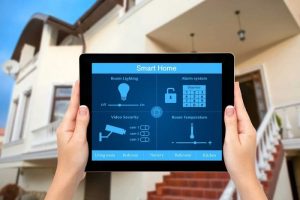
IoT has significantly improved connectivity and automation in electronic devices by allowing seamless communication between them. This interconnected ecosystem enables devices to share information, monitor performance, and adapt to user preferences in real-time. For example, smart home devices like thermostats, lighting systems, and security cameras can be controlled remotely through smartphone apps, offering convenience and efficiency to users.
- IoT sensors embedded in devices collect data and send it to cloud servers for analysis, enabling predictive maintenance and remote diagnostics.
- Automation features in IoT devices streamline processes, optimize energy consumption, and enhance user experience through personalized settings and preferences.
- Connected ecosystems enable interoperability between devices, creating a unified user experience and seamless integration across different platforms.
Impact on Consumer Electronics and Industrial Applications
The impact of IoT on consumer electronics and industrial applications is profound, transforming the way products are designed, manufactured, and utilized. In the consumer electronics sector, IoT has led to the development of smart devices that offer enhanced functionality, connectivity, and interactivity for users. From smart TVs and wearable gadgets to connected appliances and home automation systems, IoT has revolutionized the consumer electronics market.In industrial applications, IoT enables efficient monitoring, control, and optimization of processes through real-time data analysis and remote management capabilities.
Smart factories, connected vehicles, and industrial automation systems leverage IoT technology to enhance productivity, reduce downtime, and improve overall operational efficiency.
- IoT-enabled devices in industrial settings facilitate predictive maintenance, asset tracking, and inventory management, leading to cost savings and enhanced operational performance.
- Consumer electronics products like smart speakers, fitness trackers, and smartwatches utilize IoT technology to offer personalized experiences, connectivity features, and seamless integration with other devices.
- IoT in electronics is driving innovation, creating new opportunities for businesses, consumers, and industries to leverage the power of interconnected devices for enhanced communication, automation, and efficiency.
Artificial Intelligence (AI) Integration in Electronics

Artificial Intelligence (AI) integration in electronics involves the incorporation of AI algorithms and technologies into electronic devices to enhance their capabilities and functionalities.AI is being integrated into electronic devices through the use of machine learning algorithms, neural networks, and deep learning techniques. These technologies enable devices to learn from data, recognize patterns, make decisions, and improve their performance over time.
One of the key benefits of incorporating AI into electronics is the ability to enhance automation and efficiency. AI-powered devices can perform tasks autonomously, adapt to changing environments, and optimize their operations without human intervention. Additionally, AI enables devices to provide personalized experiences, predictive maintenance, and real-time data analysis.However, there are also challenges associated with integrating AI into electronics, such as concerns about data privacy and security, ethical considerations, and the potential for bias in AI algorithms.
Ensuring the transparency, fairness, and accountability of AI systems is crucial to address these challenges and build trust among users.
Examples of AI-powered electronics and their functionalities
- Smartphones: AI integration in smartphones enables features like facial recognition, voice assistants, and predictive text input. These functionalities improve user experience, enhance security, and optimize device performance.
- Smart Home Devices: AI-powered smart home devices such as smart thermostats, security cameras, and lighting systems can learn user preferences, adjust settings automatically, and provide remote access and control through voice commands or mobile apps.
- Autonomous Vehicles: AI integration in autonomous vehicles enables self-driving capabilities, real-time navigation, obstacle detection, and adaptive cruise control. These functionalities enhance safety, reduce accidents, and improve transportation efficiency.
- Healthcare Wearables: AI-powered healthcare wearables can monitor vital signs, detect abnormalities, provide real-time health insights, and alert users or healthcare providers in case of emergencies. These devices help individuals track their health status and receive personalized recommendations for wellness.
Wearable Electronics and Smart Fabrics
Wearable electronics and smart fabrics represent the integration of technology into everyday clothing and accessories, revolutionizing the way we interact with our garments and the world around us.
Advancements in Wearable Technology
- Miniaturization of components: Advances in technology have allowed for the development of smaller and more powerful sensors, processors, and batteries that can be seamlessly integrated into clothing.
- Health and fitness tracking: Wearable devices such as smartwatches and fitness bands can monitor vital signs, track physical activity, and provide real-time feedback to users.
- Augmented reality (AR) and virtual reality (VR): Smart glasses and headsets are blurring the lines between the physical and digital worlds, offering immersive experiences and enhanced functionalities.
- Personalized fashion: Smart clothing with embedded LEDs, sensors, and interactive elements are enabling users to express their individuality and style in new and innovative ways.
Smart Fabrics in Fashion and Healthcare
- Health monitoring: Smart fabrics embedded with biosensors can track vital signs, detect health issues, and alert users or healthcare providers in real-time, revolutionizing remote patient monitoring and preventive healthcare.
- Therapeutic textiles: Fabrics infused with microcapsules containing medications or healing agents can provide targeted treatment for conditions such as chronic pain, inflammation, or skin disorders.
- Climate control and energy harvesting: Smart textiles with temperature-regulating properties or built-in solar cells can adapt to environmental conditions, keeping users comfortable and powering electronic devices on the go.
- Sustainable fashion: Smart fabrics made from eco-friendly materials and incorporating recyclable components are driving the shift towards more sustainable and ethical practices in the fashion industry.
Energy Harvesting Technologies in Electronics
Energy harvesting technologies play a crucial role in the field of electronics by providing sustainable and renewable sources of power for various devices. These technologies enable the harvesting of energy from the surrounding environment, reducing the reliance on traditional power sources and contributing to a more eco-friendly approach to electronics.
Different Methods of Energy Harvesting in Electronics
- Solar Energy Harvesting: Utilizing photovoltaic cells to convert sunlight into electrical energy.
- Thermal Energy Harvesting: Generating power from temperature differentials using thermoelectric materials.
- Kinetic Energy Harvesting: Capturing energy from motion and vibrations through piezoelectric materials.
- RF Energy Harvesting: Extracting energy from ambient radio frequency signals using antennas and rectifiers.
Contribution of Energy Harvesting to Sustainability in Electronics
Energy harvesting technologies contribute significantly to sustainability in electronics by reducing the environmental impact of energy consumption. By harnessing renewable sources of energy, such as solar and kinetic energy, electronic devices can operate more efficiently and with lower carbon footprints. This not only helps in reducing the reliance on non-renewable energy sources but also promotes the development of greener and more environmentally friendly electronics.
Robotics and Automation in Electronics Manufacturing
Robotics and automation play a crucial role in revolutionizing the electronics manufacturing industry. These technologies have significantly improved efficiency, precision, and overall production processes in the electronic assembly.
Enhanced Efficiency and Precision
- Robotic arms and automated machinery can perform repetitive tasks with a high level of accuracy, reducing human error.
- Automated processes ensure consistent quality control, leading to fewer defects and increased product reliability.
- Robots can operate 24/7 without fatigue, resulting in increased production output and faster turnaround times.
Impact on Future of Electronics Production
- Automation leads to cost savings by minimizing labor costs and reducing material waste through precise measurements and calculations.
- Integrating robotics allows for flexible manufacturing processes that can quickly adapt to changing product designs and specifications.
- As technology advances, robotics and automation will continue to drive innovation in electronics manufacturing, leading to more complex and sophisticated products.
Nanotechnology Applications in Electronics
Nanotechnology has revolutionized the field of electronics by allowing for the manipulation of materials at the nanoscale, enabling the development of smaller and more efficient electronic devices. This technology involves the design, characterization, production, and application of structures, devices, and systems by controlling shape and size at the nanometer scale.
Nanotechnology-enabled Miniaturization
- Nanotechnology has facilitated the miniaturization of electronic components, leading to the creation of smaller and more powerful devices.
- By utilizing nanomaterials such as nanowires and quantum dots, electronic circuits can be made significantly smaller without compromising performance.
- The reduction in size allows for the integration of more components into a limited space, enhancing the functionality of electronic gadgets.
Enhanced Performance and Energy Efficiency
- Nanotechnology has enabled the development of electronic devices with improved performance and energy efficiency.
- Nanoscale materials exhibit unique properties such as high conductivity, enhanced thermal stability, and exceptional mechanical strength, enhancing the overall efficiency of electronic systems.
- By incorporating nanomaterials into electronic devices, energy consumption can be reduced, leading to longer battery life and sustainable operation.
Future Prospects of Nanotechnology in Electronics
- The future of nanotechnology in electronics holds great promise for continued innovation and advancement in electronic technologies.
- Researchers are exploring the use of nanomaterials in flexible electronics, transparent displays, and bio-electronic devices, opening up new avenues for technological growth.
- Nanotechnology also offers opportunities for the development of novel electronic devices with enhanced functionalities, paving the way for the next generation of electronics.
Electronics and Electrical
Electronics and electrical engineering are two closely related but distinct fields. While both deal with the flow of electricity, electronics focuses on the study of electronic devices and systems that use electrical energy to perform specific functions. On the other hand, electrical engineering deals with the generation, distribution, and use of electrical power for various applications.The interplay between electronics and electrical components is crucial in modern devices.
Electronics components such as transistors, diodes, and integrated circuits are used in electrical systems to control the flow of electricity and perform specific tasks. Electrical components, on the other hand, provide the power necessary for electronic devices to function.Advancements in electronics have a significant impact on electrical engineering practices. The development of smaller, more efficient electronic components has led to the miniaturization of electrical systems and devices.
This has allowed for the creation of more complex and sophisticated electrical systems that are used in various industries such as telecommunications, healthcare, and transportation.
Differences between Electronics and Electrical Engineering
- Electronics focuses on the study of electronic devices and systems, while electrical engineering deals with the generation and distribution of electrical power.
- Electronics involves the design and development of electronic circuits and components, while electrical engineering focuses on the design and implementation of electrical systems.
- Electronics typically deals with low-power circuits and digital systems, while electrical engineering deals with high-power systems and power distribution networks.
Interplay between Electronics and Electrical Components
- Electronics components such as transistors and diodes are used in electrical systems to control the flow of electricity.
- Electrical components provide the power necessary for electronic devices to function.
- The integration of electronics and electrical components allows for the creation of sophisticated systems that can perform complex tasks efficiently.
Impact of Electronics Advancements on Electrical Engineering
- Advancements in electronics have led to the miniaturization of electrical systems, allowing for the creation of smaller and more efficient devices.
- New electronic components have enabled the development of more complex electrical systems that are used in various industries.
- The integration of advanced electronics has improved the efficiency and performance of electrical systems, leading to advancements in technology across different sectors.
Final Review
As we conclude this exhilarating exploration of emerging technologies in electronics, one thing is clear – the future is bright, and the possibilities are endless. Stay tuned for more groundbreaking developments in this ever-evolving field!
Helpful Answers
What are some examples of AI-powered electronics?
AI-powered electronics include smart speakers, autonomous vehicles, and intelligent personal assistants like Siri and Alexa.
How do energy harvesting technologies contribute to sustainability in electronics?
Energy harvesting technologies harness ambient sources of energy like solar power or kinetic energy to power electronic devices, reducing the reliance on traditional energy sources.
What is the role of robotics in electronics manufacturing?
Robotics play a crucial role in improving efficiency and precision in electronic assembly processes, leading to faster production and higher quality products.