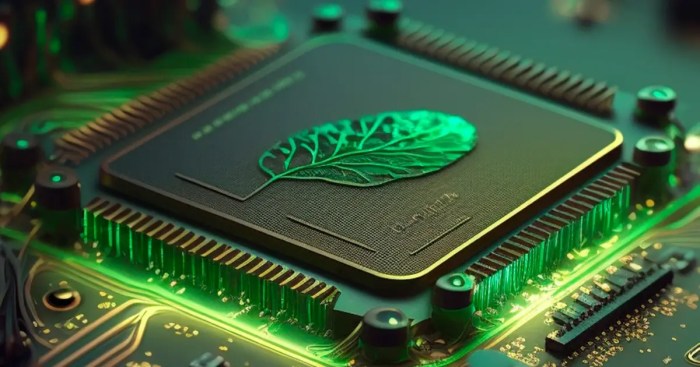
Step into the world of Electrical engineering innovations where groundbreaking advancements shape the future of technology. From cutting-edge developments to industry impacts, this topic explores the dynamic realm of electrical engineering with a touch of excitement and curiosity.
Discover how recent innovations have revolutionized various sectors and led to the creation of state-of-the-art technologies that redefine our modern world.
Electrical Engineering Innovations
Electricity is a fundamental aspect of modern society, and electrical engineering innovations have played a crucial role in shaping the world we live in today. Recent advancements in electrical engineering have revolutionized various industries, leading to improved efficiency, sustainability, and overall progress.
Renewable Energy Technologies
Renewable energy technologies, such as solar panels and wind turbines, have been developed through electrical engineering innovations to harness clean and sustainable energy sources. These technologies have significantly reduced our dependence on fossil fuels, mitigating the impact of climate change and promoting environmental sustainability.
Smart Grid Systems
Smart grid systems, enabled by electrical engineering innovations, have transformed the way electricity is generated, distributed, and consumed. These systems use advanced sensors, communication networks, and control algorithms to optimize energy flow, enhance grid reliability, and integrate renewable energy sources seamlessly into the existing infrastructure.
Internet of Things (IoT) Devices
The Internet of Things (IoT) has become a reality through electrical engineering innovations, connecting devices, appliances, and systems to the internet for enhanced functionality and efficiency. IoT devices, such as smart homes, wearables, and industrial sensors, have revolutionized automation, data collection, and decision-making processes across various sectors.
Electric Vehicles (EVs)
The rise of electric vehicles (EVs) can be attributed to electrical engineering innovations in battery technology, power electronics, and charging infrastructure. EVs offer a cleaner and more sustainable mode of transportation, reducing greenhouse gas emissions and promoting energy efficiency in the automotive industry.Overall, electrical engineering innovations continue to drive progress and innovation across industries, paving the way for a more sustainable and interconnected future.
Revolutionary Electronics

Electronics and electrical engineering are closely related fields that often overlap in practice. While electrical engineering focuses on the generation, distribution, and application of electrical power, electronics deals with the study of behavior and effects of electrons in various devices. Electronics play a crucial role in shaping electrical engineering innovations by providing the necessary components and systems for efficient power utilization and control.
From microprocessors in computers to power converters in renewable energy systems, electronics enable the development of advanced technologies that improve our daily lives.
Key Differences between Electronics and Electrical Engineering
- Electrical engineering deals with large-scale power generation and distribution systems, while electronics focus on small-scale electronic circuits and devices.
- Electrical engineering involves the study of electromagnetism, power systems, and energy conversion, whereas electronics focus on semiconductor devices, integrated circuits, and signal processing.
- Electrical engineers work on designing power plants, transmission lines, and electrical grids, while electronics engineers develop consumer electronics, communication systems, and control systems.
- Both fields require a strong foundation in mathematics and physics, but electrical engineering emphasizes power systems and energy management, while electronics delve into electronic components and circuit design.
Conclusion
In conclusion, Electrical engineering innovations continue to drive progress, transform industries, and push the boundaries of what is possible in the realm of technology. As we look towards the future, the impact of these innovations will only continue to grow, shaping the world we live in.
Query Resolution
What are some recent advancements in electrical engineering?
Recent advancements include smart grid technology, renewable energy innovations, and the development of IoT devices.
How have electrical engineering innovations impacted various industries?
Electrical engineering innovations have revolutionized industries such as healthcare, transportation, and telecommunications, improving efficiency and functionality.
What is the relationship between electronics and electrical engineering?
Electronics is a subset of electrical engineering, focusing on the design and application of circuits and devices, playing a crucial role in innovations.
What are some key differences between electronics and electrical engineering?
Electronics deals with active components like transistors, while electrical engineering encompasses a broader scope including power systems and electromagnetism.