Embark on a journey through the realm of Electric appliances for energy efficiency, where cutting-edge technology meets sustainability for a greener tomorrow.
From understanding the basics to exploring advanced features, this guide will illuminate the path towards a more energy-efficient lifestyle.
Energy Efficiency in Electric Appliances
Energy efficiency in electric appliances refers to the ability of these devices to perform their functions while consuming the least amount of energy possible. This is achieved through various technological advancements and design features that reduce energy wastage during operation.
Benefits of Using Energy-Efficient Electric Appliances
- Lower Energy Bills: Energy-efficient appliances consume less electricity, resulting in reduced energy bills for the consumer.
- Environmental Impact: By using less energy, these appliances help reduce greenhouse gas emissions and lessen the overall environmental impact.
- Long-Term Savings: While energy-efficient appliances may have a higher upfront cost, the savings on energy bills over time often outweigh this initial investment.
- Enhanced Performance: Energy-efficient appliances are often designed to be more advanced and perform better than their traditional counterparts.
Examples of Popular Energy-Efficient Electric Appliances
- ENERGY STAR Certified Refrigerators: These refrigerators are designed to use less energy without compromising on performance.
- LED Light Bulbs: LED bulbs consume less energy and have a longer lifespan compared to traditional incandescent bulbs.
- Heat Pump Water Heaters: These water heaters are highly efficient and can save a significant amount of energy compared to traditional models.
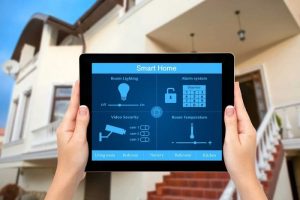
- Smart Thermostats: Smart thermostats help optimize heating and cooling in homes, leading to energy savings.
Measuring Energy Efficiency in Electric Appliances
Energy efficiency in electric appliances is typically measured using the Energy Efficiency Ratio (EER) or Seasonal Energy Efficiency Ratio (SEER). These ratios indicate the amount of cooling or heating provided by the appliance per unit of energy consumed. The higher the EER or SEER rating, the more energy-efficient the appliance is considered to be.
Types of Energy-Efficient Electric Appliances

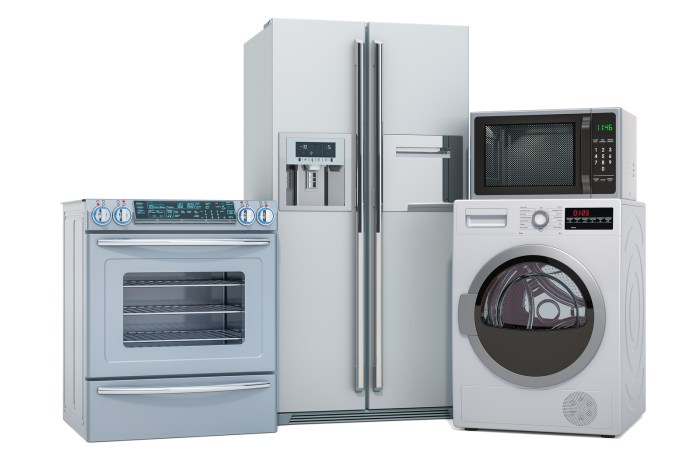
Electric appliances have come a long way in terms of energy efficiency, offering consumers a wide range of options to choose from. From refrigerators to washing machines to air conditioners, there are various types of energy-efficient electric appliances available in the market today.
Refrigerators
Refrigerators are essential household appliances that consume a significant amount of energy. Energy-efficient refrigerators are designed with advanced technologies such as improved insulation, variable-speed compressors, and LED lighting to reduce energy consumption. These refrigerators are also equipped with features like smart sensors that optimize cooling based on usage patterns, further enhancing energy efficiency.
Washing Machines
Energy-efficient washing machines are designed to save water and electricity without compromising on performance. Front-loading washing machines are known to be more energy-efficient compared to top-loading models, as they use less water and detergent. Additionally, modern washing machines come with features like load sensors and eco-friendly wash cycles that help conserve energy during each laundry cycle.
Air Conditioners
Energy-efficient air conditioners utilize technologies such as inverter compressors and programmable thermostats to regulate temperature efficiently while reducing energy consumption. These air conditioners are designed to cool spaces effectively without consuming excessive power, making them a cost-effective and environmentally friendly cooling solution. Some models also come with smart features that allow users to control temperature settings remotely, optimizing energy usage.
Tips for Selecting Energy-Efficient Electric Appliances
When choosing energy-efficient electric appliances, there are several factors to consider to ensure you are making a smart and eco-friendly choice. It is crucial to look for energy efficiency labels and certifications to guarantee the appliance meets high standards. Additionally, calculating the energy consumption of electric appliances before purchase can help you make an informed decision and save money in the long run.
Factors to Consider when Choosing Energy-Efficient Electric Appliances
- Energy Efficiency Ratings: Look for appliances with high Energy Star ratings or other energy efficiency certifications to ensure they consume less electricity.
- Size and Capacity: Opt for appliances that are the right size for your needs to avoid unnecessary energy consumption.
- Features: Choose appliances with energy-saving features such as programmable settings, eco modes, and automatic shut-off functions.
- Technology: Consider appliances with advanced technologies like inverter compressors in refrigerators or heat pump dryers for better energy efficiency.
- Maintenance: Select appliances that are easy to maintain and clean to ensure optimal performance and energy efficiency over time.
Importance of Energy Efficiency Labels and Certifications
Energy efficiency labels and certifications provide valuable information about the energy consumption of appliances and help consumers make informed choices. Look for these labels when shopping for electric appliances to ensure you are selecting environmentally friendly and cost-effective options.
Calculating Energy Consumption of Electric Appliances
Before purchasing electric appliances, it is essential to calculate their energy consumption to estimate operational costs and environmental impact. Use the following formula to determine energy consumption:
Energy Consumption (kWh) = Power Rating (W) x Hours of Use x Days of Use / 1000
Maintenance and Care for Energy-Efficient Electric Appliances
Regular maintenance is essential to ensure the optimal energy efficiency of electric appliances. By following proper care routines, you can not only save on energy costs but also extend the lifespan of your appliances.
Significance of Regular Cleaning and Servicing
- Regular cleaning of filters and vents in appliances like air conditioners and refrigerators can help them run more efficiently.
- Servicing by professionals can identify and fix any potential issues that may be causing energy wastage in the appliances.
- Unclogging drainage systems in appliances like washing machines can prevent energy inefficiency due to water blockages.
Proper Usage and Care for Prolonging Appliance Lifespan
- Follow the manufacturer’s guidelines for usage and maintenance to ensure the appliances function optimally.
- Avoid overloading appliances beyond their capacity, as this can lead to increased energy consumption and premature breakdowns.
- Regularly defrosting appliances like refrigerators and freezers can help maintain their energy efficiency levels.
Future Trends in Energy-Efficient Electronics and Electrical
As technology continues to advance, the future of energy-efficient electronics and electrical appliances looks promising. With a focus on sustainability and reducing carbon footprint, emerging trends are shaping the industry towards a greener and more efficient future.
Emerging Technologies in Energy-Efficient Electronics
Innovations such as solid-state transformers, advanced power management systems, and energy harvesting technologies are revolutionizing the way we use electricity. These technologies are designed to optimize energy consumption, reduce waste, and ultimately lower energy costs for consumers.
Smart Grids and IoT Integration
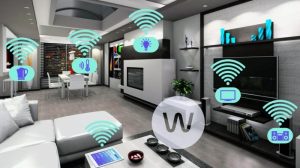
The integration of smart grids and Internet of Things (IoT) technology is set to transform the energy efficiency landscape. Smart grids enable better monitoring and management of electricity consumption, while IoT devices allow for real-time data collection and analysis to optimize energy usage. This integration will lead to more efficient energy distribution and consumption, reducing overall energy waste.
Renewable Energy Sources for Energy-Efficient Electronics
The shift towards renewable energy sources such as solar, wind, and hydroelectric power is playing a crucial role in powering energy-efficient electronics. By harnessing clean and sustainable energy sources, we can reduce our dependence on fossil fuels and decrease greenhouse gas emissions. The combination of renewable energy and energy-efficient appliances is a step towards a more sustainable future.
Ultimate Conclusion
As we conclude our exploration of Electric appliances for energy efficiency, remember that every choice towards energy efficiency not only saves you money but also contributes to a healthier planet for future generations.
General Inquiries
How do energy-efficient electric appliances benefit me?
Energy-efficient appliances consume less energy, leading to reduced electricity bills and a positive environmental impact.
What factors should I consider when selecting energy-efficient electric appliances?
Consider energy ratings, size, and features relevant to your needs to ensure optimal energy efficiency.
Can regular maintenance prolong the lifespan of energy-efficient electric appliances?
Yes, proper care, cleaning, and servicing can extend the life of your energy-efficient appliances and maintain their efficiency levels.